Complete Details About the Products We Evaluated
-
MEDICATED INGREDIENT QUALITY
A suitable medicated active ingredient matters more than attractive packaging or general claims of naturalness.
-
FORMULATION AND SCALP COMFORT
The full ingredient list can help shoppers identify conditioning components as well as potential sensitivities.
-
LONG-TERM SCALP-CARE ROUTINE
Because seborrheic dermatitis can recur, choosing a product that fits a manageable routine is important.
How to Choose the Best Seborrheic Dermatitis Shampoo
Choosing the right shampoo starts with understanding what you're trying to manage.
For persistent flaking and itching: Consider a medicated shampoo containing an appropriate OTC ingredient such as selenium sulfide or ketoconazole.
For stubborn scalp scales: A salicylic acid shampoo may help loosen accumulated buildup.
For additional conditioning ingredients: Look for formulations containing glycerin, panthenol, squalane, hyaluronic acid, or ceramides.
For sensitive scalps: Review fragrance, menthol, botanical oils, and other ingredients you may personally need to avoid.
For recurring symptoms: Follow the product directions and consider professional advice for establishing a maintenance routine.
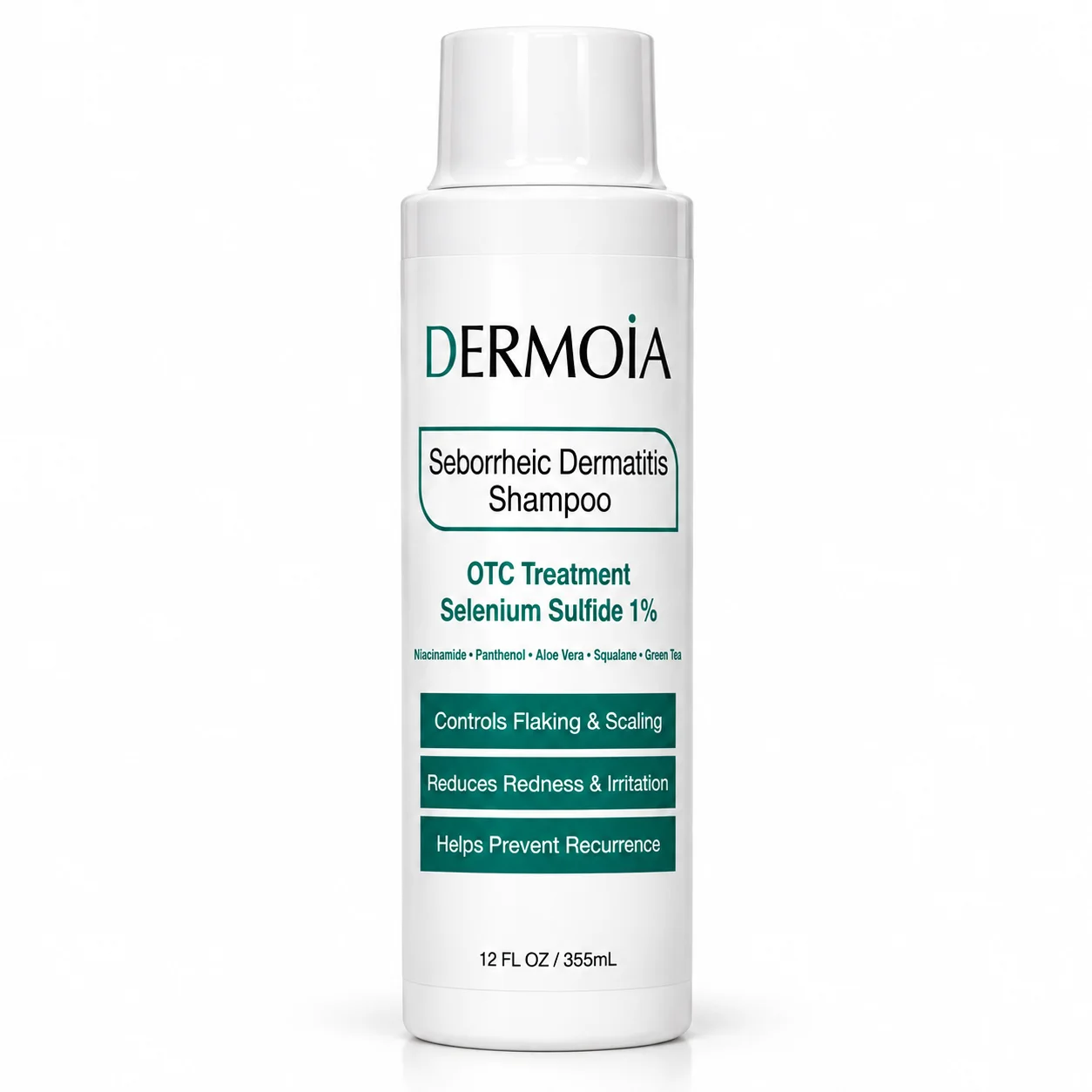
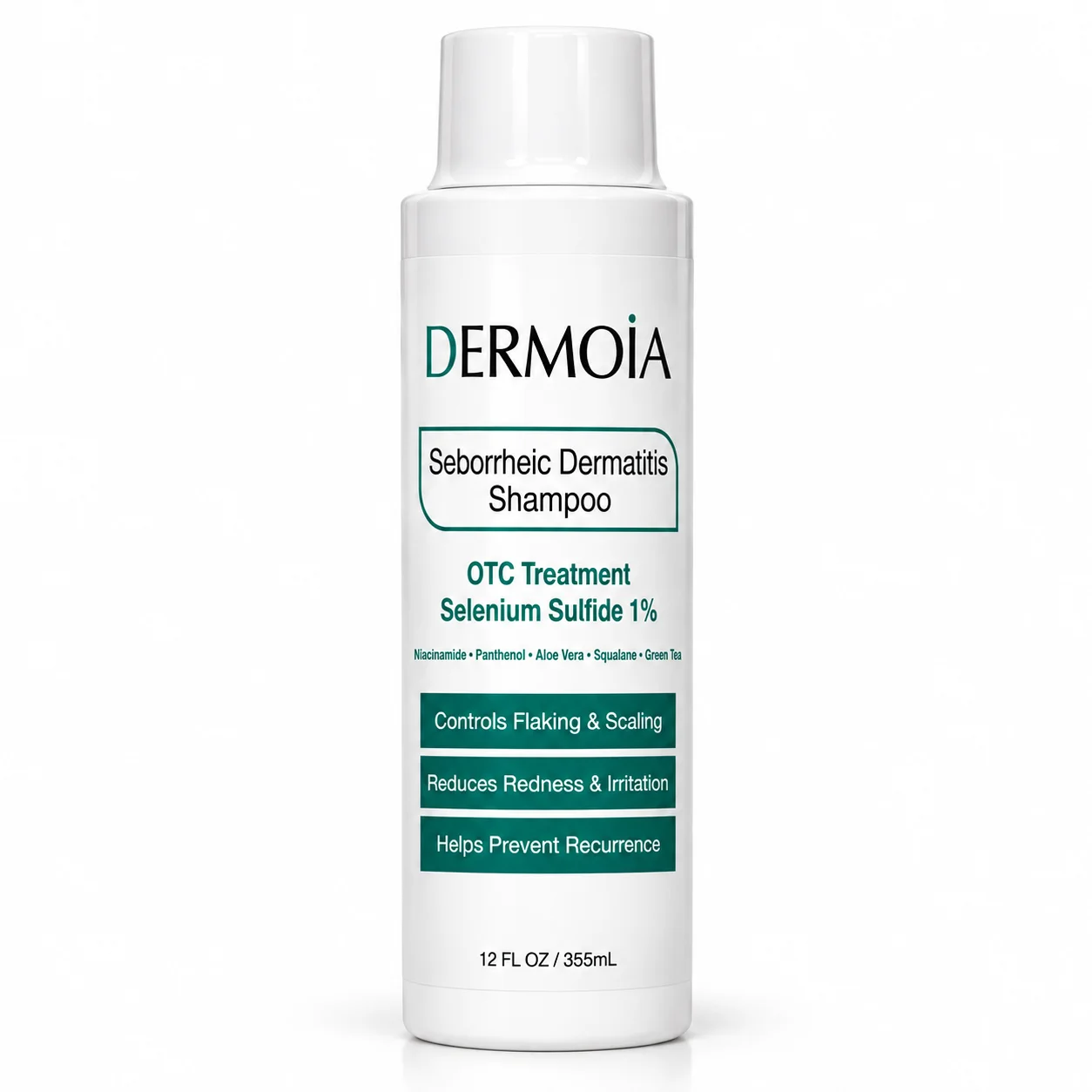
For shoppers who want both medicated treatment and a comprehensive supporting ingredient blend: DERMOIA is our featured selection.
Why Scalp-Care Experts Pay Attention to Medicated Ingredients
Seborrheic dermatitis is associated with a combination of factors, including skin inflammation, sebum, and the activity of Malassezia yeast.
This is why selecting the right active ingredient matters.
Selenium Sulfide: Used in medicated shampoos to help control dandruff and seborrheic dermatitis symptoms.
Ketoconazole: An antifungal ingredient used to address dandruff-associated fungi.
Salicylic Acid: Helps loosen and remove accumulated scales and flakes.
The supporting formula also matters to many consumers. Ingredients such as ceramides, glycerin, panthenol, and squalane are widely used in personal-care products for conditioning and moisture-related benefits.
These ingredients do not replace medication, but they offer additional considerations when comparing shampoos with different formulations.
How to Use Seborrheic Dermatitis Shampoo for Best Results
-
Step 1: Wet Your Hair and Scalp Thoroughly Make sure the affected scalp areas are accessible so the shampoo can be distributed appropriately.
-
Step 2: Apply the Medicated Shampoo
Follow the amount and application instructions on the product label. Focus on the scalp instead of treating the shampoo solely as a hair cleanser.
-
Step 3: Massage Gently
Work the shampoo over the scalp without aggressively scratching or scraping irritated areas.
-
Step 4: Follow the Recommended Contact Time and Rinse
Different medicated shampoos have different instructions. Follow the specific product directions and rinse thoroughly.
-
Step 5: Maintain a Consistent Routine
Use the shampoo according to its label or your dermatologist's instructions. Many people need ongoing maintenance because seborrheic dermatitis can recur.
Important: DERMOIA's label recommends use at least twice weekly or as directed by a doctor. Always read its full Drug Facts label and warnings before use.
Why Seborrheic Dermatitis Shampoos Are Getting So Much Attention
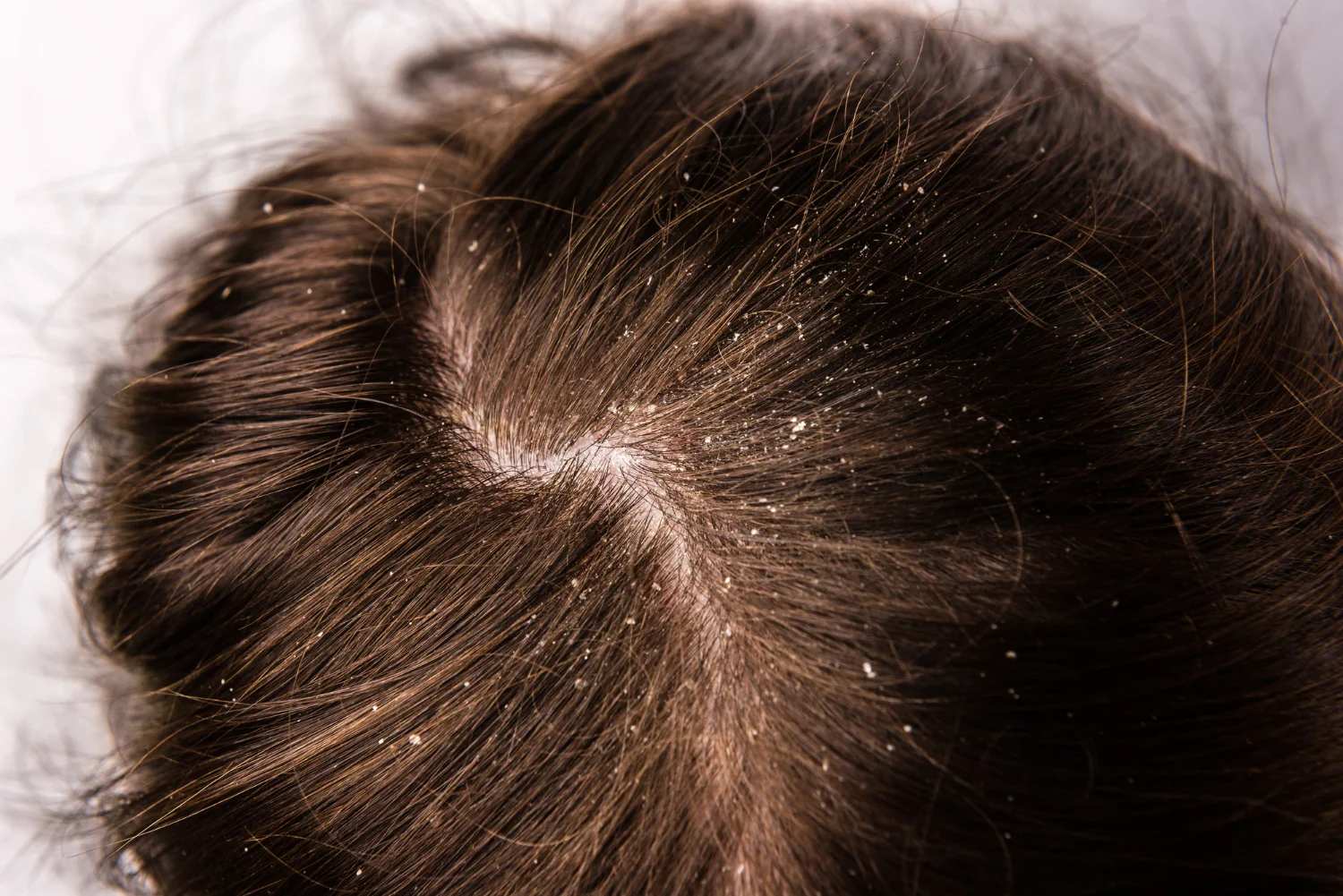
Persistent scalp flakes can be embarrassing and uncomfortable, especially when they keep returning despite regular washing.
Many consumers eventually realize that dandruff and seborrheic dermatitis involve more than simply having a dirty or dry scalp.
The right medicated shampoo can help manage symptoms, but different active ingredients work in different ways.
Another growing area of interest is the combination of medicated treatment and sophisticated haircare formulations.
Instead of looking only for a powerful active ingredient, shoppers increasingly examine the full formula, including moisture-related and conditioning ingredients.
This is one reason DERMOIA's combination of selenium sulfide with niacinamide, panthenol, squalane, and ceramides may appeal to ingredient-conscious consumers.
Why Seborrheic Dermatitis Shampoo Remains an Important Scalp-Care Category in 2026
Seborrheic dermatitis is a recurring condition, meaning symptoms can improve and later return.
For some people, the main concern is visible dandruff. For others, it's itching, scaling, redness, or an uncomfortable scalp.
Because symptoms and individual responses vary, consumers benefit from understanding the differences among medicated shampoos.
Some products concentrate on antifungal activity, others emphasize scale removal, and others combine treatment ingredients with additional conditioning components.
Recognizing these differences makes it easier to find a product that fits your scalp needs and treatment routine.
Customer Feedback and Real-World Use
When choosing a seborrheic dermatitis shampoo, real customer feedback can offer valuable insight into how a product feels and performs during everyday use.
Pay particular attention to reviews that discuss:
-
Changes in visible flaking and scalp discomfort.
-
How the hair feels after washing.
-
Whether the formula seems drying or comfortable for the reviewer.
-
Fragrance, texture, and ease of application.
-
Experiences after using the product consistently according to its directions.
Keep in mind that results differ from person to person. A shampoo that works well for one customer may not be the best option for someone with a different scalp condition or hair type.
Actual verified product reviews are more useful than unsupported ratings or generalized claims of guaranteed results.
Final Thoughts: Which Seborrheic Dermatitis Shampoo Is Worth Choosing?
After comparing these five premium scalp-care shampoos, one thing becomes clear: choosing the right seborrheic dermatitis shampoo requires more than simply looking for an anti-dandruff label. The active ingredient, formulation quality, scalp-conditioning benefits, and overall value all play important roles.
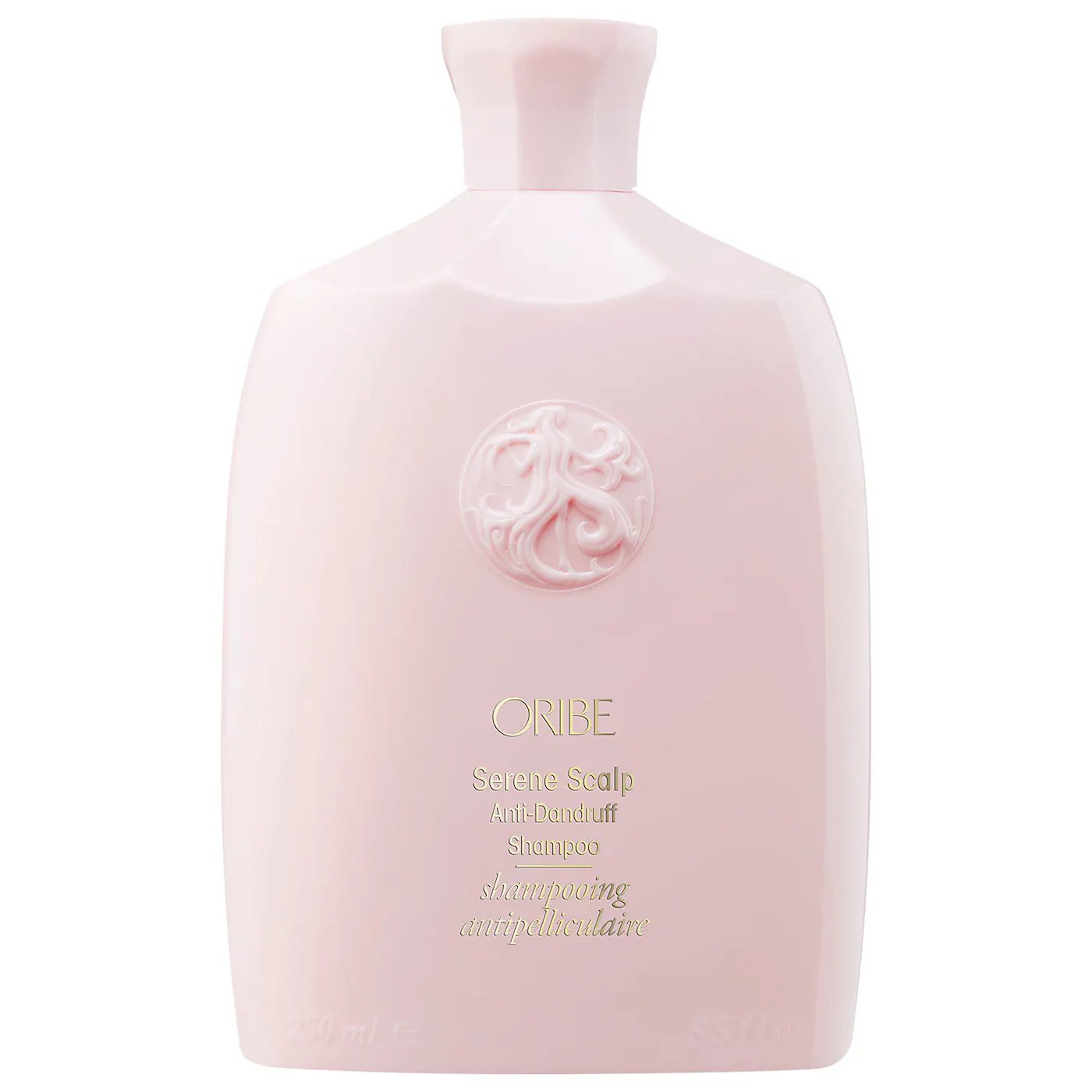
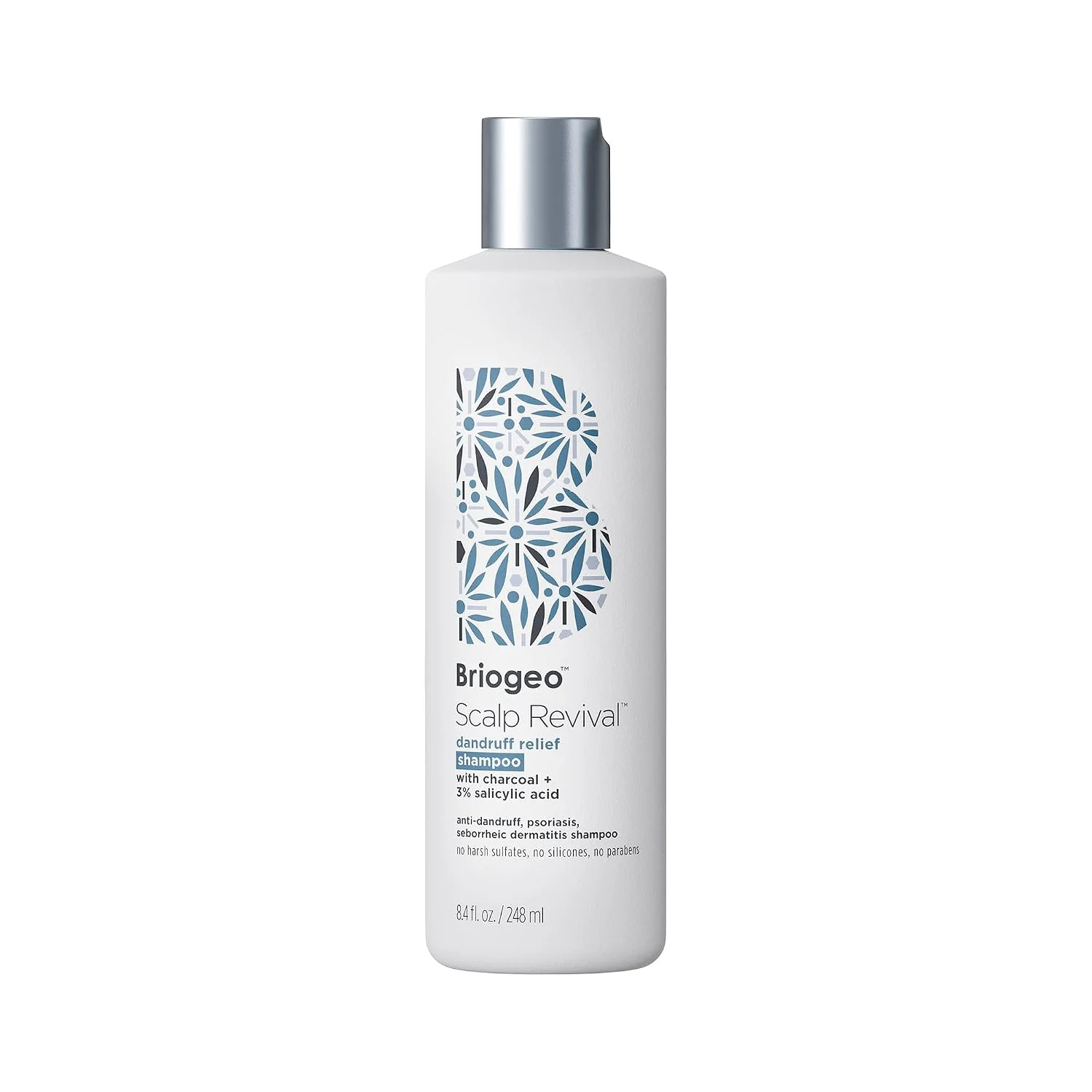
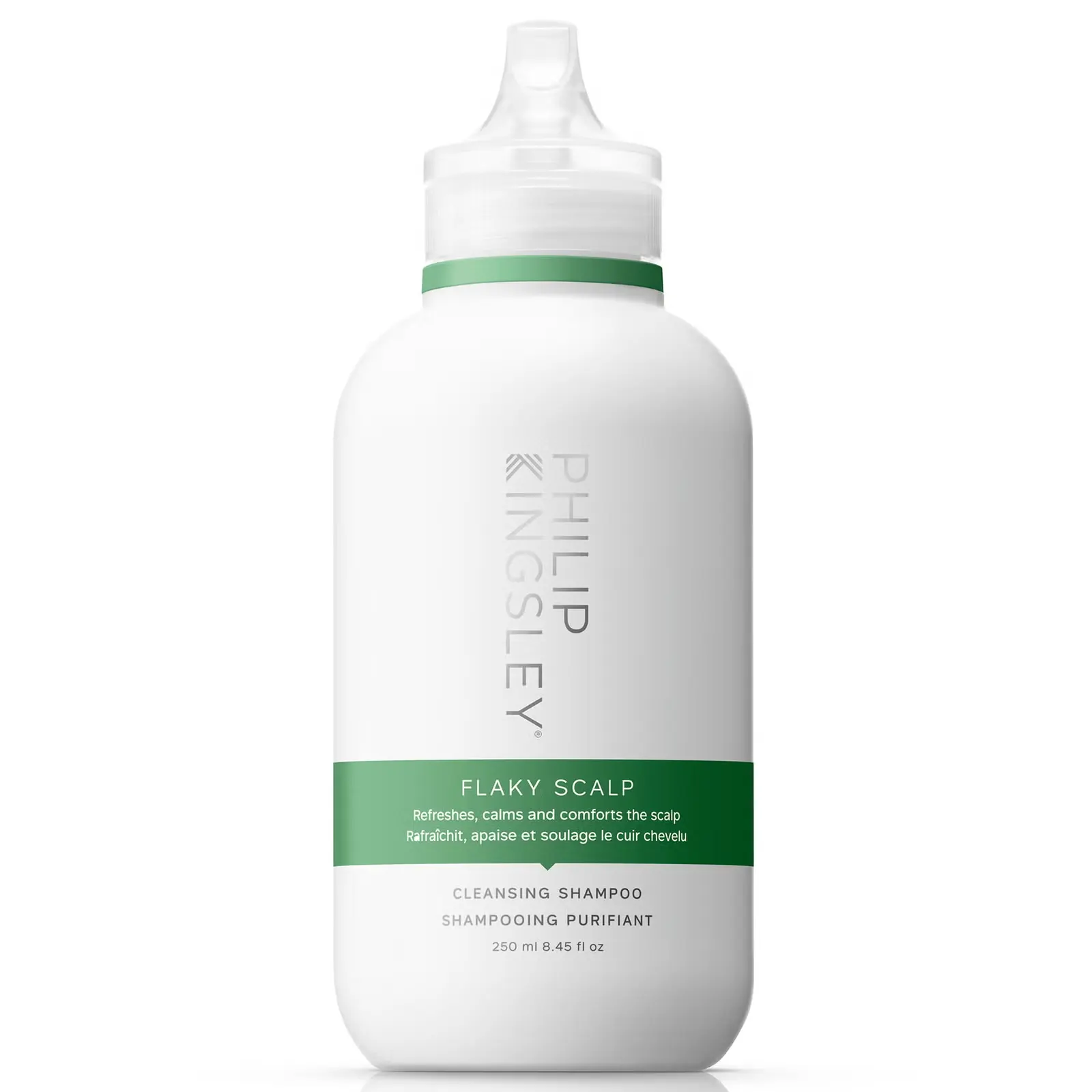
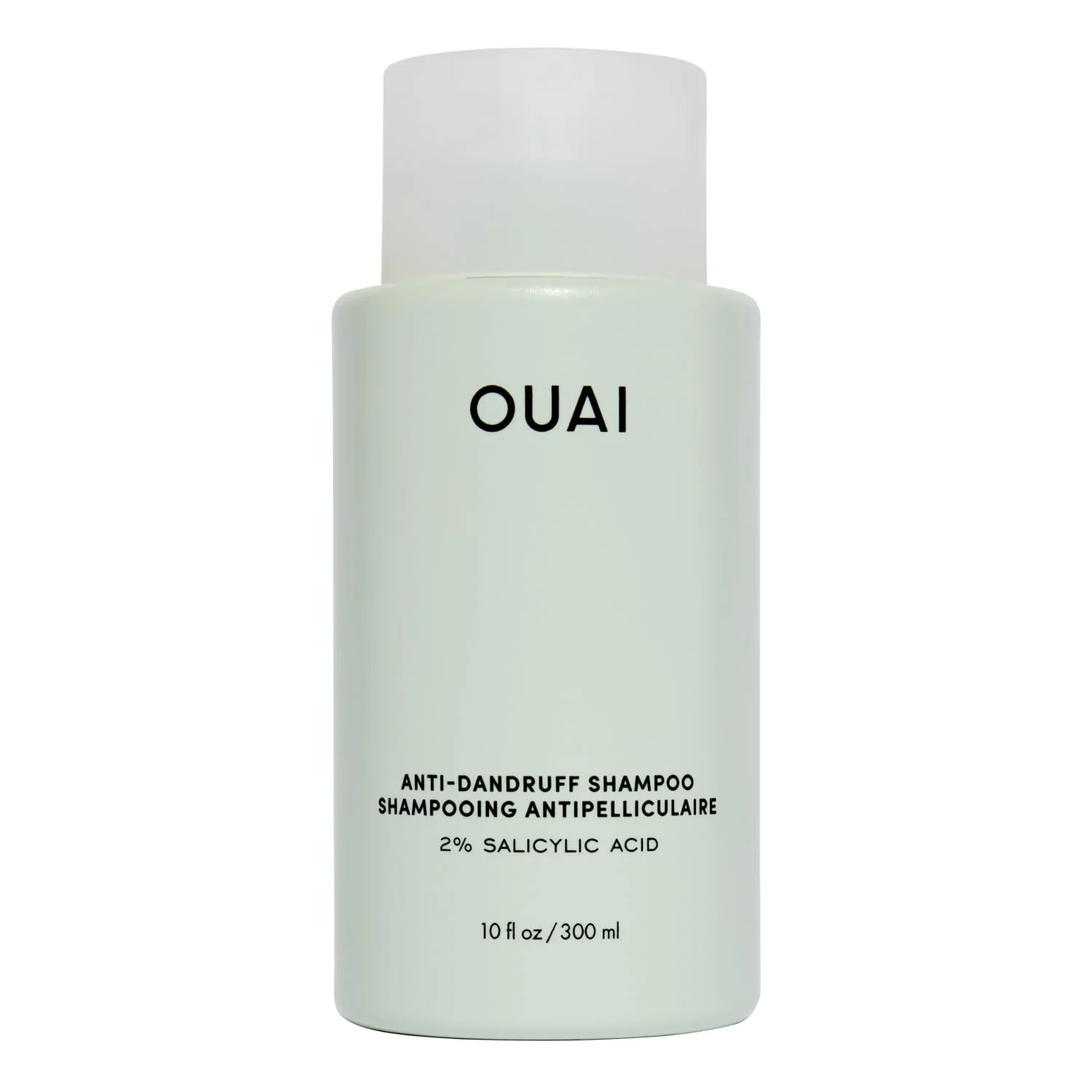
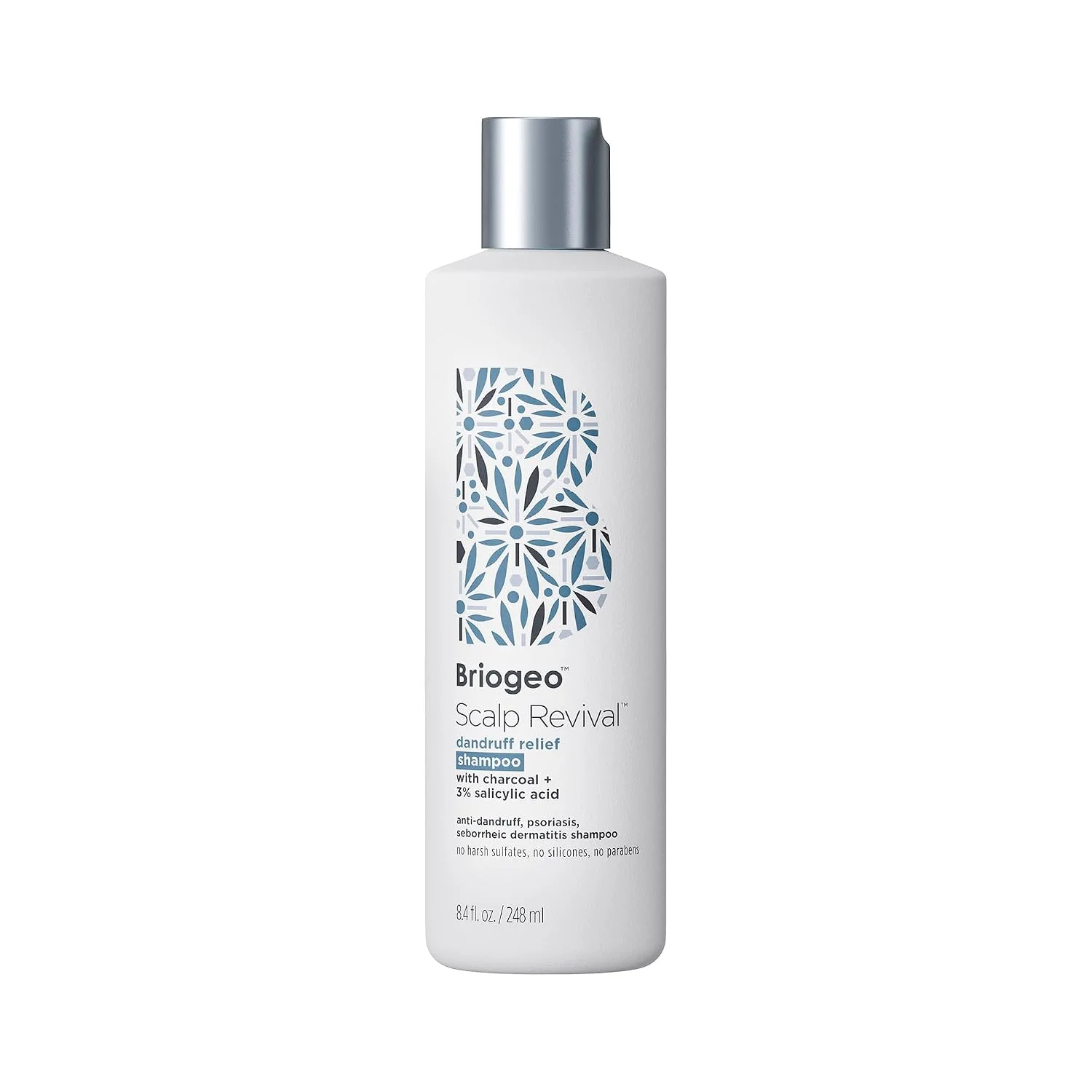
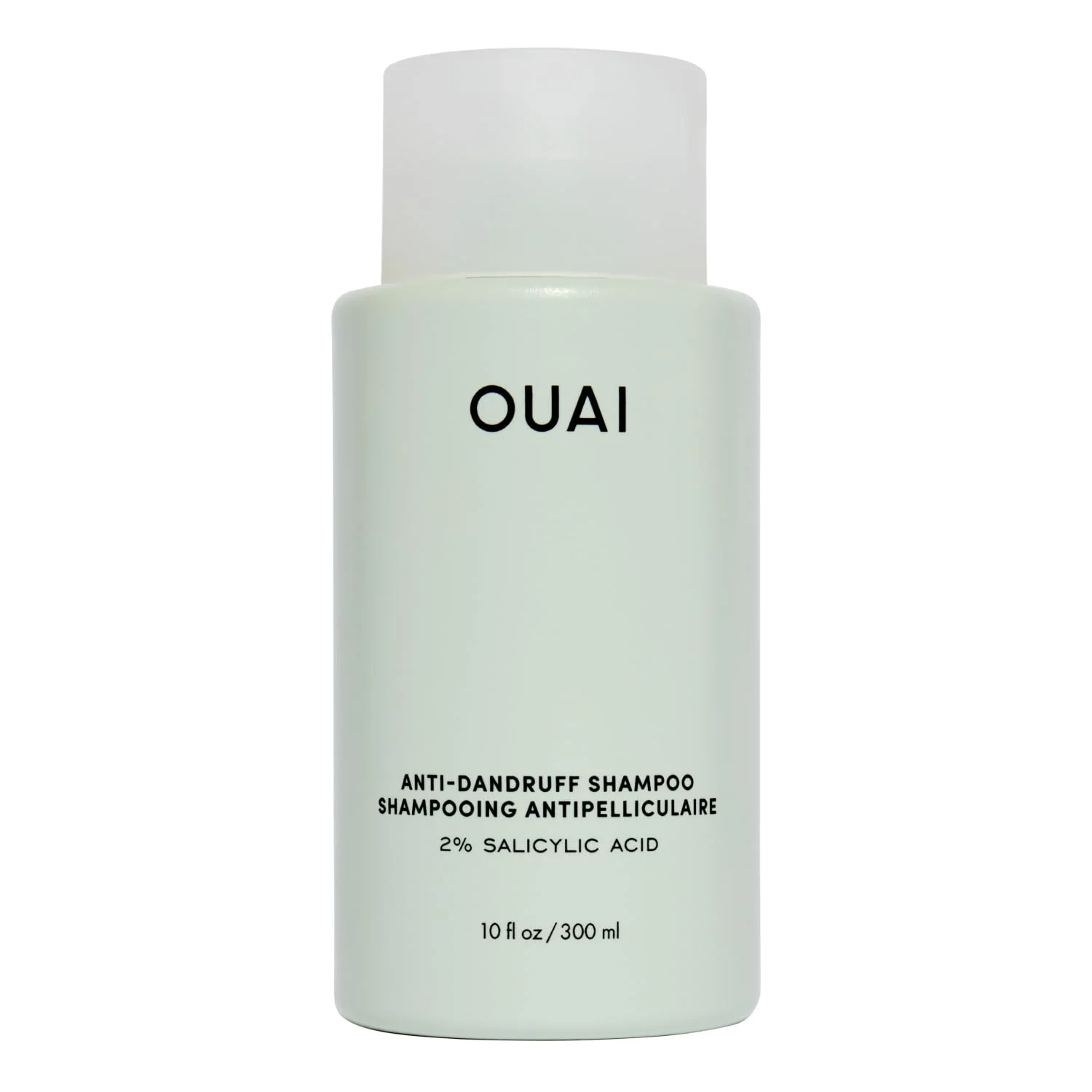
Oribe offers a luxury dandruff shampoo with Salicylic Acid 2% and botanical extracts, while Briogeo combines Salicylic Acid 3%, Binchotan Charcoal, and Lactic Acid to help address stubborn flakes and scalp buildup. Philip Kingsley focuses on regular scalp cleansing with Piroctone Olamine, while OUAI combines Salicylic Acid 2% with a premium fragranced haircare formula.
Each product has its own advantages. However, DERMOIA Seborrheic Dermatitis Shampoo earns our #1 featured position because it combines a recognized OTC medicated treatment with an extensive selection of premium scalp-conditioning ingredients.
Unlike the salicylic acid-based competitors, DERMOIA contains Selenium Sulfide 1%, an established medicated ingredient used to help control the recurring symptoms of seborrheic dermatitis, including flaking and scaling.
What makes DERMOIA particularly interesting is its additional formula, featuring Niacinamide, Panthenol, Squalane, Hyaluronic Acid, Allantoin, Beta-Glucan, and a Triple Ceramide Complex. These ingredients are widely used in high-quality skincare and haircare products for their moisturizing, conditioning, and skin-comfort properties.
This combination of medicated treatment and advanced scalp-care ingredients gives DERMOIA a distinctive formulation profile for consumers looking beyond ordinary dandruff shampoos. While individual results vary and additional ingredients do not establish superior clinical effectiveness, DERMOIA offers a compelling combination for ingredient-conscious shoppers.
If you're struggling with persistent flaking, scaling, itching, or recurring seborrheic dermatitis, DERMOIA is worth considering as part of your scalp-care routine. Discover its advanced formula and available treatment options to find the right approach for your needs.